“Maybe we should wait until after the summer.”
“There’s too much going on right now—we’ll probably get worse results.”
These are comments we often hear in conversations with our customers.
And they’re completely understandable. After all, no one wants to send out an employee survey at the wrong time.
But this question is often based on the assumption that there is a perfect time to measure employee engagement—a moment when the business is calm enough, changes are few enough, and employees are positive enough for the results to be truly representative.
The problem is that this perfect moment rarely comes.
The goal isn't to get high scores
An employee survey is not a test where the goal is to achieve the highest possible scores.
Its purpose is to understand how the organization is really doing and whether employees have the conditions they need to succeed in their work.
If workloads are high, organizational changes are creating uncertainty, or employees aren’t getting enough time to recover, that’s valuable information. Waiting until things feel calmer risks presenting a more polished version of reality. At the same time, you may miss the early warning signs of excessive workload, insufficient recovery, or uncertainty within the organization—when there is still a real opportunity to act proactively rather than reactively.
If the goal is to understand the organization over time, any single survey becomes less important. It is the trends and patterns over time that provide the most meaningful insights.
If the results show that workloads are high or that employees are experiencing uncertainty, it doesn’t mean the survey was conducted at the wrong time. It simply reflects the reality of the organization at that particular moment. Only by understanding the current situation can you begin to discuss what actions are needed.
Conducting a survey also means being prepared to receive answers you may not have hoped for. More often than not, that’s where the most valuable insights are found.
At the same time, there are times that are less suitable
That doesn’t mean timing is unimportant.
If the organization is going through an exceptionally busy period, response rates may be affected. The same applies during major organizational changes, restructurings, or other situations where employees’ attention is naturally focused on things other than completing a survey.
That’s why timing isn’t about avoiding negative feedback. It’s about giving employees a fair opportunity to participate and make their voices heard.
In some situations, it may also make sense to wait a short while. For example, if the organization is in the middle of a restructuring where teams, roles, or reporting lines are about to change, it can be difficult to act on results that may quickly become outdated.
Even then, however, there are important questions worth asking. How are employees experiencing the change process? Do they feel they have enough support? Is communication clear and effective?
These are questions that can—and should—be addressed throughout the change journey. Rather than waiting until everything has settled, organizations can gather feedback along the way and adjust their actions, communication, and support based on employees’ needs.
Waiting isn't always without risk
Sometimes, the search for the “right” moment becomes so important that organizations end up postponing the survey again and again.
But waiting comes at a cost.
If workloads have been high for an extended period or organizational change is creating uncertainty, identifying those early signals before they develop into larger problems can be invaluable.
We often talk about the cost of sick leave. But in reality, the true costs usually begin much earlier. When people work under sustained pressure over time, their focus, energy, collaboration, and productivity all begin to suffer. The sooner an organization identifies these warning signs, the greater its opportunity to take action before the problems become more serious.
An organization's strength isn't revealed when things are easy
It’s natural to want to conduct an employee survey when the organization is in a relatively calm period—when workloads are manageable, the pace of change is low, and everything is running more or less according to plan.
But that’s rarely when we learn the most about an organization.
It’s when the pace picks up, change is underway, or uncertainty increases that an organization’s foundations are truly put to the test. Do employees still have clear priorities? Is collaboration across teams working effectively? Do people have the support they need to do their best work?
An organization that performs well when everything is running smoothly hasn’t necessarily built resilience. Its true strength often only becomes visible when it’s faced with challenges.
That’s why employee surveys can be especially valuable during more demanding periods. They help organizations understand what’s working, what’s causing friction, and which conditions need to be strengthened to support both employee well-being and sustainable performance over time.
The most important question is often overlooked
When it comes to employee surveys, a lot of attention is placed on the survey launch itself. Should it be before or after the summer? Should we wait a few more weeks? How will the timing affect the results?
In reality, however, the launch date is rarely what determines whether a survey creates value.
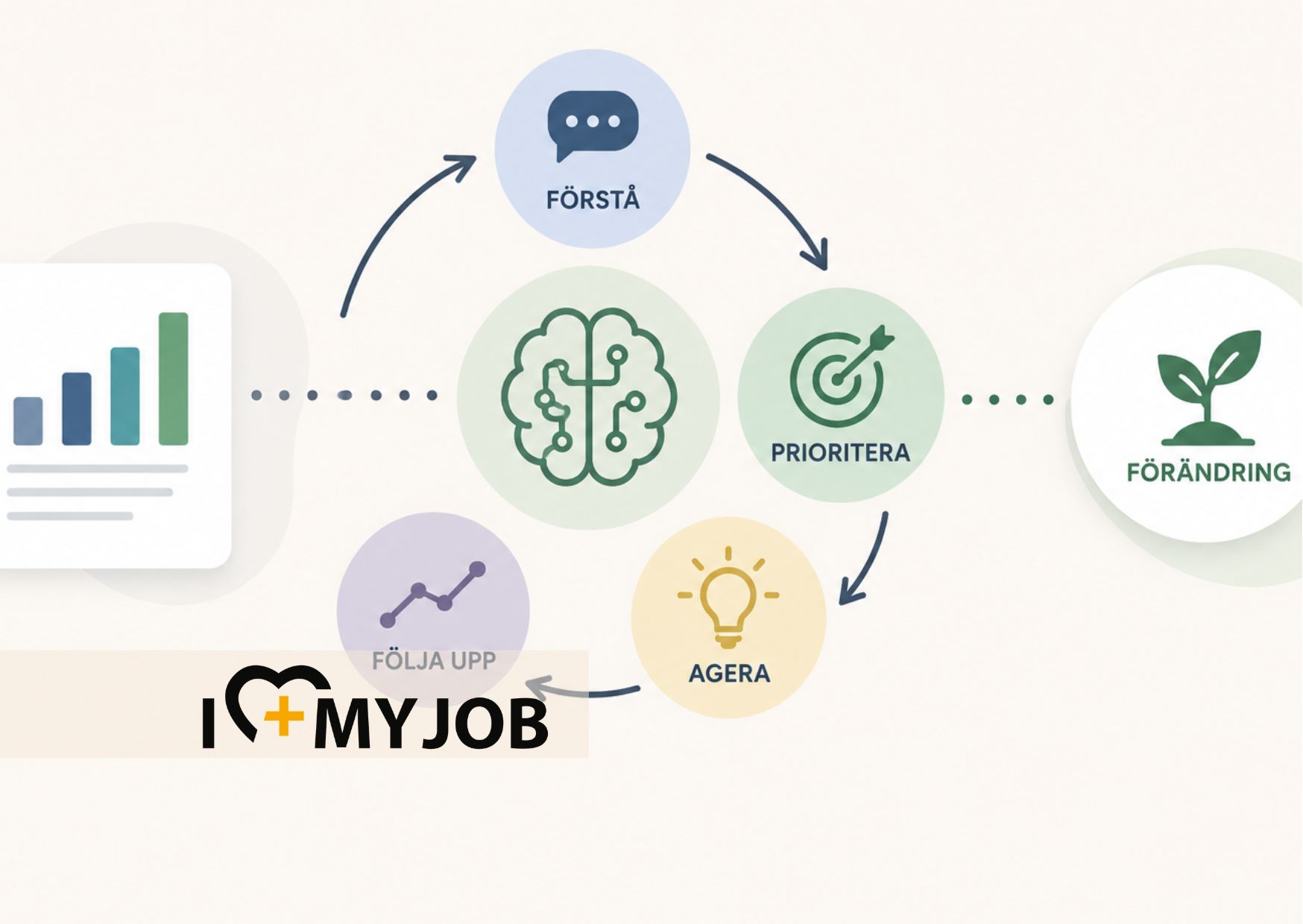
What truly makes the difference is what happens afterward.
Is there time to analyze the results? Do managers have the opportunity to discuss the findings with their teams? Is there a clear plan for how the organization will prioritize and follow up on the insights that emerge?
A survey conducted at a less-than-perfect time can still deliver significant value if the results are used effectively. Conversely, even a perfectly timed survey is unlikely to have much impact if there isn’t the time, commitment, or willingness to act on the insights.
The work doesn’t end when the survey closes. That’s when it begins.
Think marathon, not sprint
When organizations spend a great deal of time debating exactly when to launch an employee survey, it’s often because they assume that the results of that single survey are what matter most.
But employee engagement rarely works that way.
The real value comes from tracking progress over time, identifying patterns, and recognizing changes as they happen.
Much like running a marathon, every organization will encounter uphill stretches, headwinds, and periods when the journey feels more demanding. If we only measure when conditions are ideal, we’ll never understand how the organization performs when it truly matters.
No single survey captures the whole picture. The results will always be influenced by what’s happening in the organization at that particular moment.
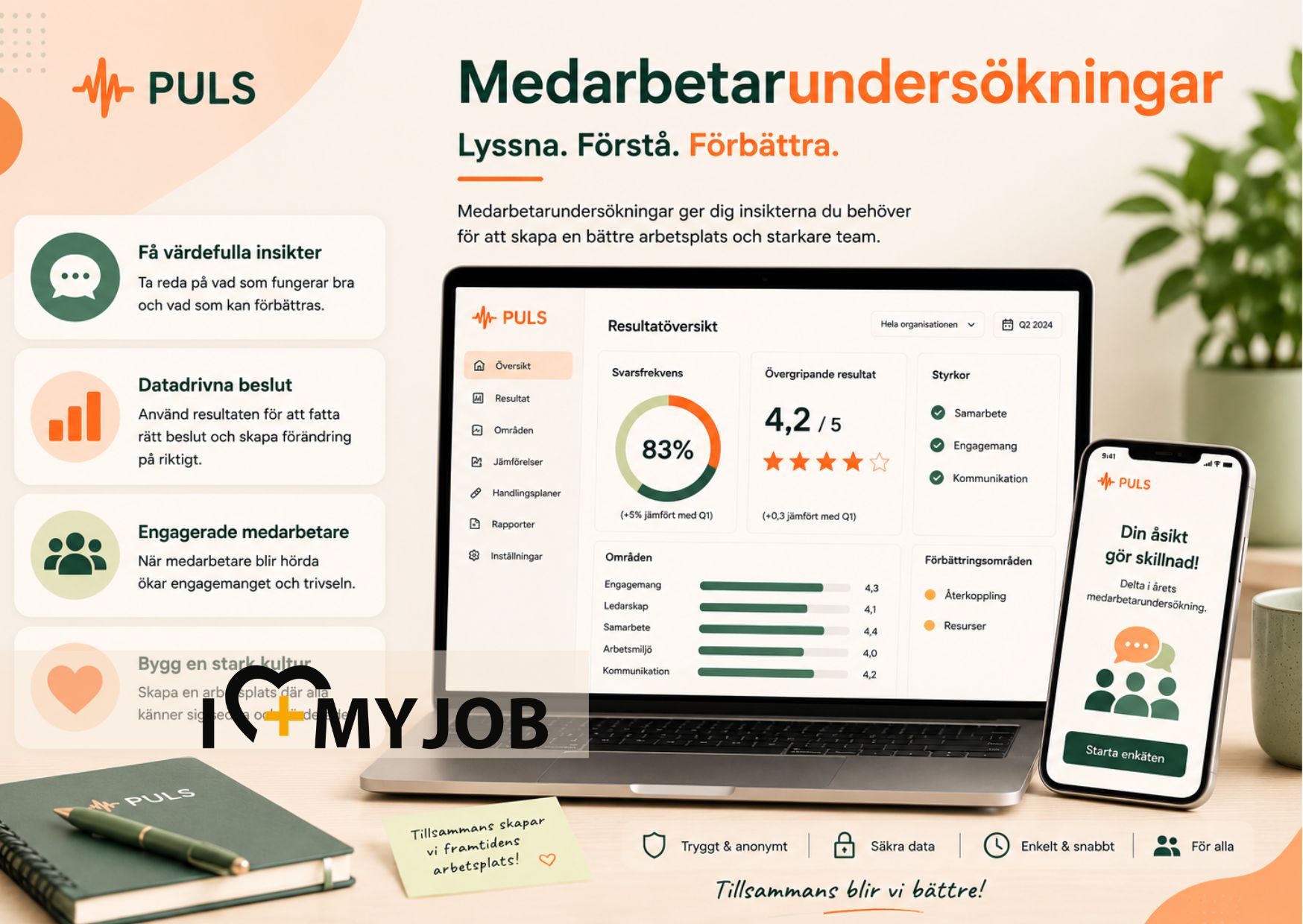
That’s also why, at Puls, we advocate for a continuous approach to employee engagement. The most meaningful insights come from observing trends over time—not from the results of a single survey.
Every organization will experience periods of increased workload, more frequent change, or greater uncertainty. That’s a natural part of working life.
If we only measure when everything feels stable and is running smoothly, we risk missing the moments when an organization has the greatest opportunity to learn about itself.
Because it’s often under pressure that it becomes clear whether priorities are truly aligned, whether leadership is providing the right support, and whether employees have the conditions they need to thrive and perform sustainably.
That’s why an employee survey isn’t about capturing the perfect moment.
It’s about understanding reality as it is today—and using those insights to build a stronger, more resilient organization over time.